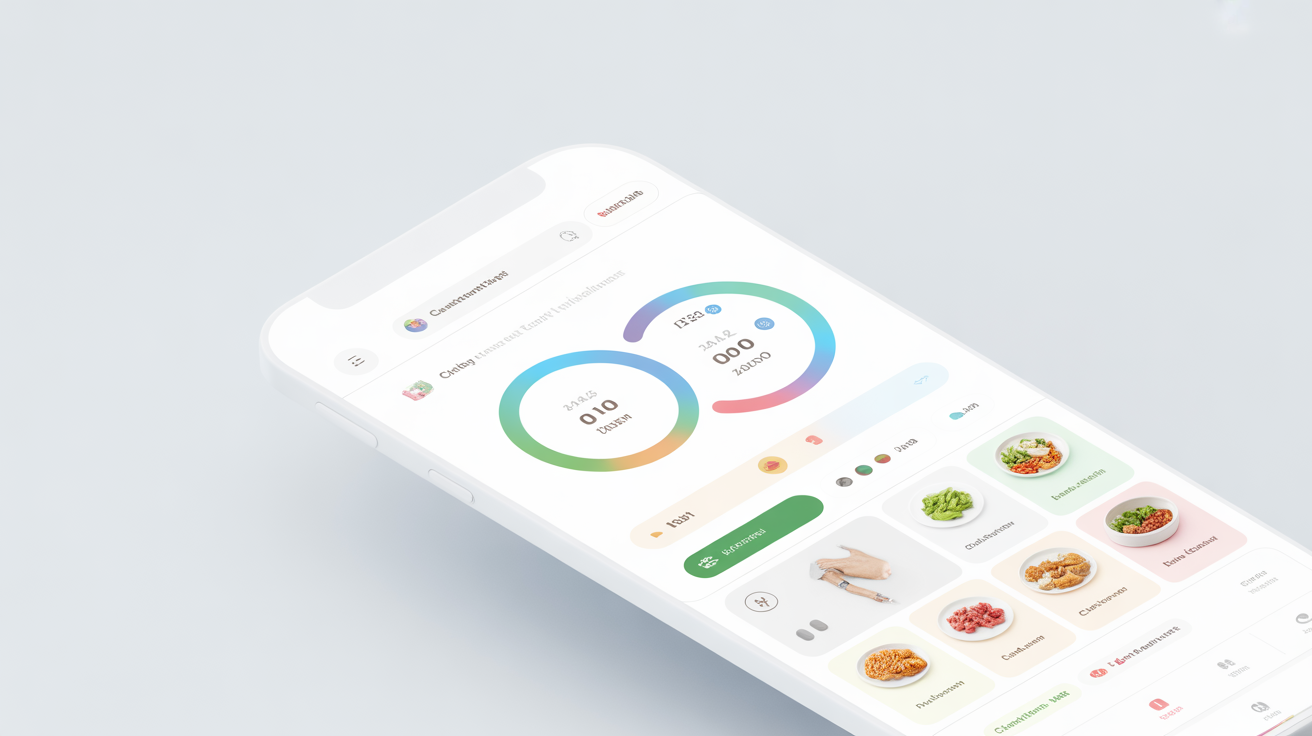
Advanced Strategies, Hidden Gems, and Expert Insights to Master Calorie Watch
For those who have moved beyond basic food journaling and are ready to refine their nutritional approach, mastering calorie watch requires more than logging meals.
It’s about leveraging advanced strategies, uncovering hidden gems, and applying expert insights that work in real-world scenarios.
Here’s how you can take your calorie tracking from functional to phenomenal.
Advanced Strategy #1: Periodized Caloric Structuring
Think of your calorie intake like a training cycle.
Periodization involves fluctuating your caloric intake based on performance demands, recovery needs, and body composition goals. For example:
-
Cutting Phase: Maintain a consistent deficit over 4–6 weeks (e.g., –15–20% of maintenance).
-
Refeed Weeks: Reintroduce maintenance-level calories to reset hormones and metabolism.
-
Maintenance Holds: Periodically maintain weight to solidify fat loss before another cut.
This strategic cycling helps prevent adaptive thermogenesis—the body’s tendency to reduce energy expenditure when dieting long-term—and reduces the mental wear of sustained restriction.
Advanced Strategy #2: Implement Calorie Threshold Windows
Instead of obsessing over exact numbers, create a daily “calorie window”—a range rather than a target (e.g., 1,750–1,900 kcal).
This margin gives you flexibility while still staying within a controlled range, ideal for social situations or travel.
It keeps tracking fluid, less stressful, and easier to sustain long-term.
Advanced Strategy #3: Use Reverse Dieting for Metabolic Recovery
After a fat-loss phase, don’t jump back to your old maintenance calories.
Use reverse dieting: increase your intake gradually (e.g., +50–100 kcal/week) to rebuild metabolic capacity.
This keeps fat regain low while improving energy, performance, and mood.
Hidden Gem #1: Barcode and Photo Logging Tools
Apps like Yazio, MacroFactor, and Ate Food Journal go beyond typical calorie apps.
Barcode scanners simplify packaged food entry, while photo-based logs give you visual memory cues to enhance recall and avoid underreporting.
These tools are great for people who eat a lot of homemade or ethnic meals where exact macros might not be listed.
Hidden Gem #2: “Favorites” and “Meal Sets” Features
Many people overlook how useful it is to save frequently eaten meals or favorite foods.
Using “Favorites” or creating custom “Meal Sets” saves time and reduces friction when tracking.
It also provides consistency in calorie data, reducing the likelihood of logging errors.
Hidden Gem #3: Wearable Feedback Integration
If you wear a fitness tracker like Garmin, Fitbit, or WHOOP, integrate it with your calorie tracking app.
These wearables can help estimate TDEE (Total Daily Energy Expenditure) based on heart rate variability and recovery, not just steps.
Over time, you’ll understand your energy balance in context with stress and sleep metrics.
Expert Insight #1: Satiety Index Over Calorie Content
Not all calories feel the same in your body.
Research has shown that foods like boiled potatoes, oranges, and eggs rank high on the satiety index—meaning they keep you fuller longer.
Focus on volume-rich, nutrient-dense foods that satisfy your hunger for fewer calories, making calorie watch much easier and more intuitive.
Expert Insight #2: Timing Matters Less Than Consistency
There’s much debate around whether you should eat earlier, fast intermittently, or snack throughout the day. Expert insight?
What matters most is consistent total daily calorie intake.
Whether you eat three meals or six, staying within your caloric boundaries is far more impactful than timing alone for weight control and health.
Expert Insight #3: Track Patterns, Not Just Data
Review your weekly logs to notice behavior patterns. Are you overeating after workouts? Snacking late at night? Weekends skewing averages?
Experts recommend journaling alongside calorie logs—even a simple sentence a day—to detect emotional or situational eating triggers.
Awareness here is often more transformative than calorie precision.
From Theory to Execution: Designing Your Advanced Calorie Watch System
-
Cycle with Purpose: Use periodization and refeed weeks to avoid metabolic slowdowns.
-
Log Smarter, Not Harder: Utilize “Favorites,” wearable sync, and visual food recall tools.
-
Choose Wisely: Prioritize satiety-rich foods and track emotional patterns alongside macros.
-
Focus on Flow: Use calorie windows instead of rigid numbers for daily targets.
-
Recover Like a Pro: Integrate reverse dieting to preserve results and rebuild metabolism.
Real-Life Example: How Advanced Calorie Watch Elevated Marcus’ Fitness Game
Marcus, a recreational lifter, had been logging calories for over a year but hit a plateau.
After adopting periodization (cutting 10% for 5 weeks, then refeeding), switching to satiety-dense foods like Greek yogurt and lentils, and integrating his Fitbit with Cronometer, his progress resumed.
He also saved his common lunch combos and pre-logged his dinner each morning.
Within three months, he dropped 6 pounds of fat while maintaining muscle, slept better, and had more energy during workouts.